Quick Answer
What should you know about Patan?
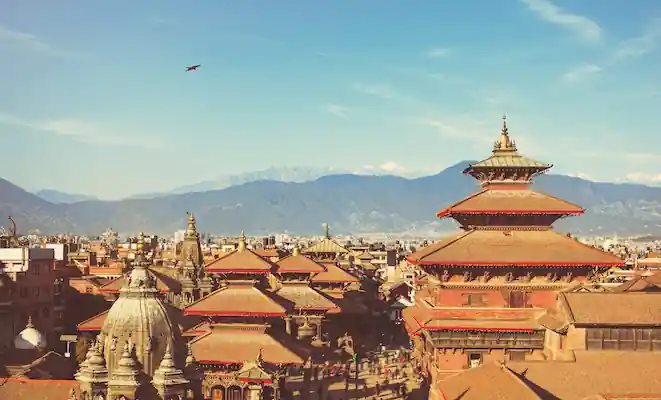
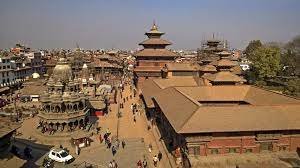
Patan, a gem nestled in the Kathmandu Valley of Nepal, boasts a plethora of mesmerizing sights that offer a captivating glimpse into the rich cultural tapestry of the region. At the heart of the city lies the iconic Patan Durbar Square, a UNESCO World Heritage Site…
Patan, also known as Lalitpur, is one of the three ancient cities in Nepal’s Kathmandu Valley—alongside Kathmandu and Bhaktapur. It is renowned for its cultural richness, artistic legacy, and exceptional architecture. As a result, Patan appeals to history enthusiasts, art lovers, and spiritual seekers alike.
With its abundance of temples, palaces, courtyards, and heritage sites, Patan offers a unique journey through Nepal’s artistic and spiritual traditions. In this guide, we’ll explore the most iconic landmarks that make Patan a must-visit destination.
Patan Durbar Square
To begin with, Patan Durbar Square represents the heart of the city and showcases its glorious past. This UNESCO World Heritage Site features an extraordinary collection of temples, shrines, and palaces. Built during the Malla era, it reflects the mastery of Newar artisans.
Notable attractions include:
-
Krishna Mandir: This stone temple, dedicated to Lord Krishna, is a marvel of Newar craftsmanship. It features intricately carved sculptures that depict various scenes from Hindu epics.
-
Patan Museum: Formerly a royal palace, the museum now exhibits Nepalese art, including ancient woodwork, bronze statues, and sacred relics. Furthermore, it offers deep insights into Hindu and Buddhist iconography.
-
Mul Chowk: This large courtyard is surrounded by significant structures such as the Royal Bath (Tushahity), Taleju Temple, and Sundari Chowk. It provides a glimpse into the life of Malla royalty.
-
Golden Temple (Hiranya Varna Mahavihar): This Buddhist monastery dazzles with its golden exterior and intricate woodcarvings. It is dedicated to Lokeshwor (Avalokiteshvara) and attracts pilgrims from across the region.
Pimbahal Pond (Pimbahal Pokhari)
Located just a short walk from the square, Pimbahal Pond offers a peaceful atmosphere amid the urban environment. Surrounded by greenery and traditional homes, it serves as a tranquil space for reflection. Additionally, locals use it for religious rituals and community gatherings.
Mahabouddha Temple
Nestled in a quiet lane, Mahabouddha Temple stands out for its thousands of terracotta tiles. Each tile bears a tiny image of the Buddha. Consequently, the temple appears as a mesmerizing mosaic of spiritual devotion and artistic precision.
Kumbeshwar Temple
Kumbeshwar Temple, one of Patan’s oldest, is devoted to Lord Shiva. It features a five-tiered pagoda and beautifully carved wooden details. In addition, a sacred pond within the complex is believed to possess healing powers. Devotees often visit the site during festivals like Janai Purnima.
Rudra Varna Mahavihar (Uku Bahal)
Also known as Uku Bahal, this ancient Buddhist monastery impresses visitors with its peaceful courtyards and wooden architecture. Moreover, the serene atmosphere and preserved artifacts provide a deeper understanding of monastic life.
Ashoka Stupa
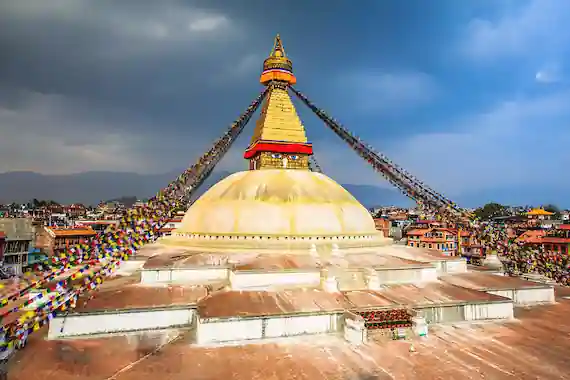
According to local belief, Emperor Ashoka built this stupa during his 3rd-century BCE visit to Nepal. Surrounded by colorful prayer flags, it remains a revered pilgrimage site. Additionally, visitors can enjoy panoramic views of the city from this elevated spot.
Machhindranath Temple
This temple honors Machhindranath, the god of rain and harvest. It is especially famous for the vibrant Machhindranath Jatra, an annual chariot procession that draws thousands. As a result, it becomes a focal point of Patan’s religious and cultural life each year.
Potala Palace: Patan
Inspired by the original in Lhasa, Tibet, Patan’s Potala Palace promotes Tibetan Buddhist culture. The complex includes a monastery, museum, library, and meditation halls. Therefore, it serves as both a spiritual center and a cultural learning hub.
Tibetan Refugee Camp
Patan is home to a vibrant Tibetan refugee community. Visiting the camp offers a chance to understand their traditions, sample Tibetan food, and observe handicraft production. In particular, artisans continue to make carpets and jewelry using age-old techniques.
Bungamati Village
Located just outside Patan, Bungamati remains a living showcase of traditional Newari life. The village features old stone houses, religious shrines, and thriving workshops. Additionally, it is known for its skilled potters who shape clay using methods passed down for generations.
Conclusion
Patan is not just a city—it is a living museum filled with sacred sites, cultural heritage, and artistic brilliance. Each temple, courtyard, and celebration tells a story of resilience and devotion. Therefore, whether you’re exploring bustling streets or meditating in a monastery, Patan offers an unforgettable experience rooted in timeless Nepalese tradition.
Practical Details
Useful Travel Information
Patan is a hub for artisans and craftsmen, particularly famous for its metalwork and statues of deities. The city's vibrant festivals, such as Rato Machhindranath Jatra, reflect its deep-rooted cultural and religious traditions. Despite modern developments, Patan maintains a timeless charm, making it a must-visit for those interested in Nepal's artistic and historical legacy.